“Views Increased, But Settlement Revenue Decreased”
Preventing Subscription, Advertising, and View Count Manipulation
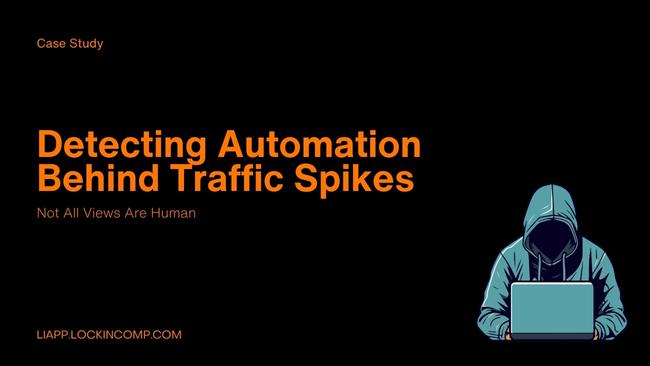
A news and magazine platform operator looked confused while reviewing the monthly report.
• Article views increased by 30% compared to the previous month
• Advertisement impressions continued to rise
• There was no significant change in app downloads
However, subscription revenue and advertising settlement amounts strangely decreased.
“Traffic increased, but where did the money go?”
This question became the starting point for protecting the revenue model.
Problem Based on a Real Case
The Numbers Increased, But They Were Not Real Users
The cause discovered during the investigation was surprisingly simple.
It was not human activity.
It was automated attacks.
Attackers directly targeted the revenue structure through methods such as:
• Forging subscription status to access paid articles without authorization
• Generating fake traffic through automated ad-click bots
• Increasing article view counts automatically through scripts
• Repeated execution through emulators and modified applications
From the outside, everything appeared normal:
✔ Increased views
✔ Increased advertisement exposure
✔ Increased active users
However, advertisers were being deceived, and the platform was suffering financial losses.
Where Exactly Did the Security Problem Exist?
The core issue was not the server.
Server logs appeared normal.
The real problem existed inside the application environment.
The app operated normally even in modified execution environments
Automated and bot activities were recognized as real user behavior
Subscription and advertising logic could be manipulated on the client side
In other words, the platform failed to distinguish:
“Is this request from a legitimate user?”
“Is this view generated by a real person?”
This became the critical weakness.
How Did LIAPP · LISS Defend Against It?
The platform redesigned its revenue protection strategy with a focus on client-side security.
LIAPP – App Integrity & Runtime Protection
• Detection of app tampering and MOD applications
• Blocking attempts to patch advertising and subscription logic
• Blocking emulator and debugging environments
LISS – Blocking Abnormal Screen and Behavior-Based Attacks
• Protecting content by preventing screen capture and screen mirroring
How Did the Revenue Structure Change After Implementation?
After security implementation, platform metrics changed as follows:
• Total views decreased
• Valid user ratio increased
• Advertising settlement rejection rate decreased
• Subscription conversion rate improved
The most important change was:
“The platform started keeping real revenue instead of just accumulating numbers.”
Lessons Learned from This Case
For news and magazine apps, revenue does not come from view-count graphs.
It comes from trustworthy user behavior.
Even if:
• Traffic is high
• View counts are large
• Advertisement exposure increases
Without security, revenue can be an illusion.
Revenue protection is not just a security feature.
It is the final defense line protecting the business model.
#NewsAppSecurity #RevenueModelProtection #SubscriptionProtection #AdvertisingSecurity #ViewManipulation #BotBlocking #AppIntegrity #MobileSecurity #PlatformSecurity #DigitalMedia #LIAPP #LISS #LIKEY #AdSettlement #SubscriptionModel #ContentBusiness #AppSecurity